7 Ways to Score Amazon Prime Membership Deals Before Prime Day

With the Amazon Prime price currently set at $14.99 per month or $139 per year, maybe you're wondering how to get the service for less.
SEE ALSO: 2025's Best Early Prime Day Deals To Save With, From Streaming To Gaming & Surround Sound
We've got you covered with these creative ways to secure an Amazon Prime membership discount.
Top Amazon Deals
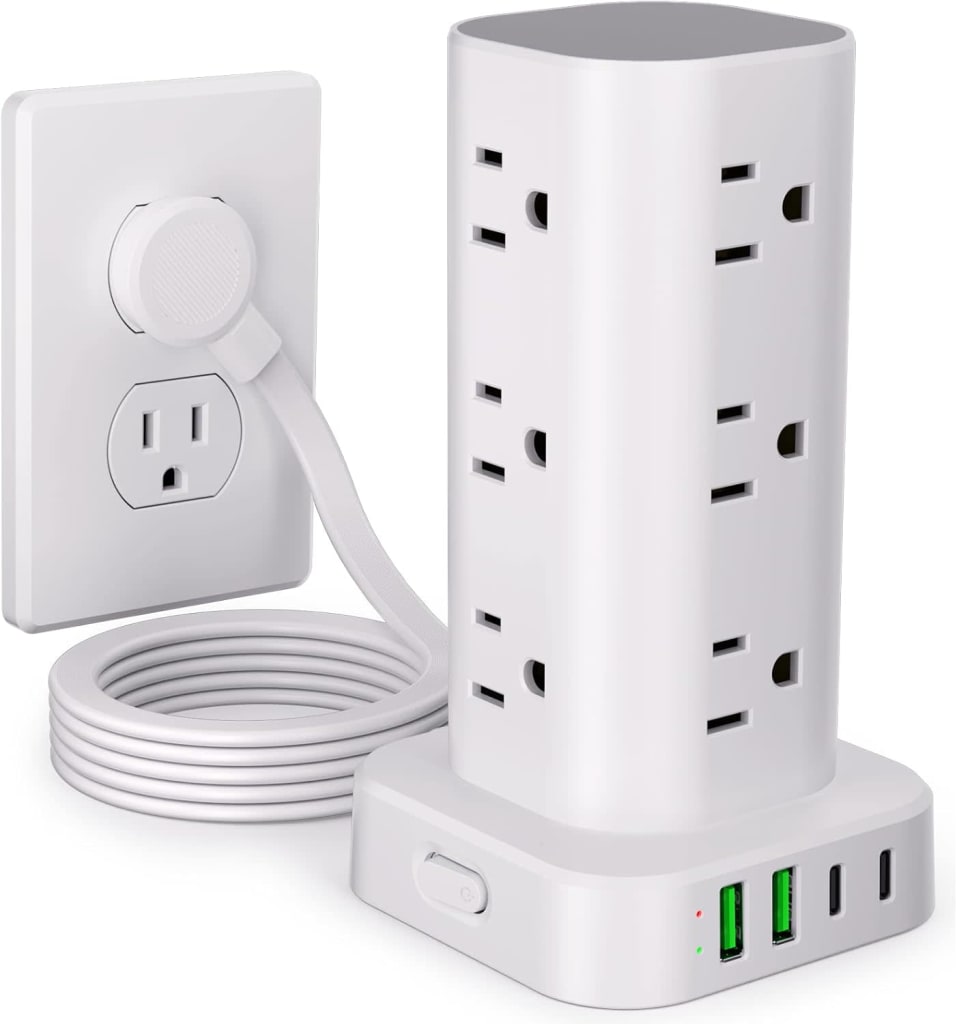
Amazon Outlet Overstock Electronics Deals
Up to 60% offSave on thousands of items including headphones, speakers, batteries, cell phone accessories, and much more. We've pictured the Power Strip Tower w/ 6-Foot Power Cord for $20 after clip coupon ($10 off).

Amazon Outlet Clothing Overstock
Deals from $2Shop thousands of styles, including steep discounts on premium brands. We've pictured the Columbia Men's Moisture Control Crew Socks 4-Pair Pack for $17 ($7 off).
7 Ways to Score Amazon Prime Membership Deals
We outline strategies for saving on Prime below, but note that we also came across another type of Amazon Prime discount last year. Former Prime members could get a week of Prime for $1.99, or $1.76 off the usual weekly price of $3.75. Does $2 Prime interest you? Keep an eye out for a deal like this by signing into your Amazon account and visiting the Prime page. Remember that being a former Prime member was required to get this deal, and folks would be charged the monthly Prime cost of $14.99 unless they canceled before the week was up.
1. Sign Up for a Prime Student Membership
The folks over at Amazon understand that money's tight when you're a college student. So they have two special incentives students can take advantage of:
- A 6-month trial of Prime Student
- Special Prime Student pricing of only $7.49 per month or $69 per year once your free trial ends
As a Prime Student member, you'll have access to many Amazon Prime membership deals and special perks, including:
- Free Amazon 1-day delivery, as well as same-day or 2-hour grocery delivery (where available)
- Prime Video, which lets you stream live events, TV shows, and movies, as well as download them for when you're offline; Prime Video Channels are also available
- Ad-free music via Amazon Music Prime
- Free games and loot every month with Prime Gaming
- Free year of Grubhub+
- Up to 10% off travel with StudentUniverse
- One free month of Course Hero
- Three free months of Calm
- An extra $5 off your first Amazon Warehouse purchase
The list of benefits continues to grow, so check regularly to ensure you're getting the most out of your Prime Student membership.
2. Confirm Your Prime Access Eligibility
Are you part of any government assistance programs, such as Medicaid, WIC, or SNAP? If so, you may be able to receive Amazon Prime at a monthly subscription rate of only $6.99 through Prime Access. Amazon lets you confirm your eligibility for this Prime membership offer online, and you can begin taking advantage of your membership right away.
3. Be Part of the Amazon Associates Program
If you have your own blog or website, the Amazon Associates Program makes it easy to generate affiliate income on millions of products. What's even sweeter is you can earn $3 for every person that signs up for an Amazon Prime 30-day free trial through a link on your website. All it takes is four to five sign-ups per month for your subscription to be covered.
4. Create an Amazon Household
Amazon Household makes it simple to share Prime benefits with your family, so you won't have to purchase extra subscriptions. Through this feature, you're permitted to add one additional adult, along with four teenagers (13 to 17 years of age) and four children (12 years of age and under).
Once enrolled, the members of your Amazon Household can take advantage of the following benefits:
- Shared digital library, which can include eBooks, audiobooks, apps, and games
- Free Prime shipping
- Early access to Amazon Lightning Deals
- Prime Video streaming
- Free books with Prime Reading
- Amazon Photos and album sharing
- Free books with Amazon First Reads
Note that you can share digital content with members on Amazon devices and media apps.
5. Use Amazon Family Benefits
While Amazon Household allows your family to save by giving members access to Prime benefits, Amazon Family can save you even more money. Expecting a baby? You'll receive a completion discount of 15% off all the items remaining on your baby registry.
Even better, being a part of Amazon Family means you'll receive up to 20% off subscriptions for baby food, diapers, and other common household items for your little ones. If you frequently order on Amazon, the cost savings alone is enough to wipe out your Prime membership fee.
6. Enroll in the Monthly Prime Plan
While it may be tempting to take on the $139 annual Prime membership, you could save money by enrolling in the monthly plan. How will this help you save? At the annual rate, you'll be paying roughly $11.58 per month for Prime.
But if you only plan to use your Prime membership a few times per year, it's much cheaper to enroll as needed. Then you can keep your money in your pocket during those months when Prime isn't necessary.
7. Get an Amazon Credit Card
Amazon offers the Prime Visa and the Amazon Visa cards. The Prime Visa offers 5% back on Amazon.com purchases with an eligible Prime membership, and the Amazon Visa offers 3% back on Amazon.com purchases. You'll still have to pay the monthly or annual fee for a Prime membership, but your earnings can help lower your out-of-pocket cost.
To illustrate: If you spend $350 per month at Amazon with the Prime Visa card, you'll receive $17.50 back, which more than covers the monthly membership fee.

How to Make the Most of Your Prime Membership
Once you have an Amazon Prime membership, you'll want to be sure to get the most you can from it. Check out our top tips for shopping with Amazon Prime below.
Use the Amazon Shopping App
If you don't already have the Amazon Shopping app on your phone, and you're a devoted Prime member, you're definitely missing out. You can do so much more than just shop with it! For instance, maybe you're eyeing some furniture but aren't sure how it'll look in your space. There's a good chance you can use the augmented reality function in the camera app to get an idea of how that comfy-looking sofa will work in your living room. The camera function also lets you scan bar codes for easy ordering — or reordering.
You can save and pay with the app, as well. Just choose the In-Store Code tab and you'll see a generated QR code. Then you can scan that at Amazon stores, including Go and Fresh. You can also use it at Whole Foods to save an extra 10% on select items as a Prime member.
Plan Ahead for Lightning Deals
The term "Lightning Deals" might not sound like something you can plan ahead for, but you absolutely can. These offers are especially valuable if you hold a Prime membership. Whether you're using the Amazon app or the desktop site, you can take a look at the daily deals, then filter that down to look at upcoming deals. From there, you can click "Watch this deal" on any upcoming offers you're interested in. When the deals go live, you can receive notifications on the app — if you've enabled them.
Even better is that Prime members can take a look at Prime Early Access deals. While you can still watch them even if you aren't a Prime member, it's better if you are. Prime members get access to these offers 30 minutes before anyone else.
Take Advantage of Coupons
Amazon users of all types can benefit from using coupons when shopping the mega e-tailer. However, Prime members can save even more in some cases. While Amazon coupons have their own dedicated page, they often show up on product pages, too. And in certain instances, those same product pages will also note discounts just for being a Prime member.
For example, a coupon might give you 10% off, but a non-Prime price could be higher than a Prime price. So right away, Prime members are going to be saving 10%, plus whatever the Amazon Prime discount is, rather than just the 10% discount on its own.
Sign Up for Subscribe & Save
You don't have to be a Prime member to use Subscribe & Save, but once again, those who are could find themselves saving extra compared to non-Prime members. Shoppers can expect to save around 5% on typical Subscribe & Save orders, and in some cases, those savings can be even greater.
For instance, regular Amazon users can save up to 15% when using the program — but they have to be signed up for at least five eligible subscriptions to do so. Amazon Prime members, meanwhile, may be able to get extra Prime-exclusive discounts on top of the Subscribe & Save discount.
Ready to shop on Amazon? Check out the Amazon deals available now!
Advertiser Disclosure
DealNews has financial relationships with the credit card issuers mentioned on our site, and DealNews receives compensation if consumers choose to apply for these by clicking links in our content and ultimately sign up for these specific cards. This compensation has no impact or influence on where or how the cards appear on dealnews.com. DealNews does not include all card companies or all card offers available in the marketplace.
UGC Disclosure
These responses are not provided or commissioned by the bank advertiser. Responses have not been reviewed, approved or otherwise endorsed by the bank advertiser. It is not the bank advertiser's responsibility to ensure all posts and/or questions are answered.
Bank Disclaimer
This content is not provided or commissioned by the Bank Advertiser. Opinions expressed here are author's alone, not those of the Bank Advertiser, and have not been reviewed, approved or otherwise endorsed by the Bank Advertiser. This site may be compensated through the Bank Advertiser Affiliate Program.
- Discover the perks of Amazon Prime membership, from free shipping to streaming: Amazon Membership Cost. Make the most of your subscription with these tips.
- Getting price adjustments on items you've purchased can make it easier to take the plunge when shopping. But they aren't available everywhere. Can you get a price adjustment on Amazon? And if so, how do you go about it? We've got the policy breakdown laid out for you.
- Here's all the info you need on how to get deals on Peacock and enjoy stream for less.
- Looking for the cheapest way to sign up for your favorite streaming services? Consider a bundle! Discover the best streaming service bundles and how much you can save.

Sign In or Register